Color Grading Techniques for Mood Transitions in Global Film Releases
Klara Powell · Jun 21, 2026
Color Grading Techniques for Mood Transitions in Global Film Releases
Contemporary international releases rely on precise color grading to guide viewers through rapid shifts between tense sequences and humorous moments, with technicians applying specific hue, saturation, and contrast modifications at key edit points. Data from the European Audiovisual Observatory shows that over 65 percent of cross-genre features released between 2023 and 2025 incorporated deliberate palette changes to support emotional pivots, while similar patterns appear in productions scheduled for June 2026.
Core Technical Approaches in Palette Modulation
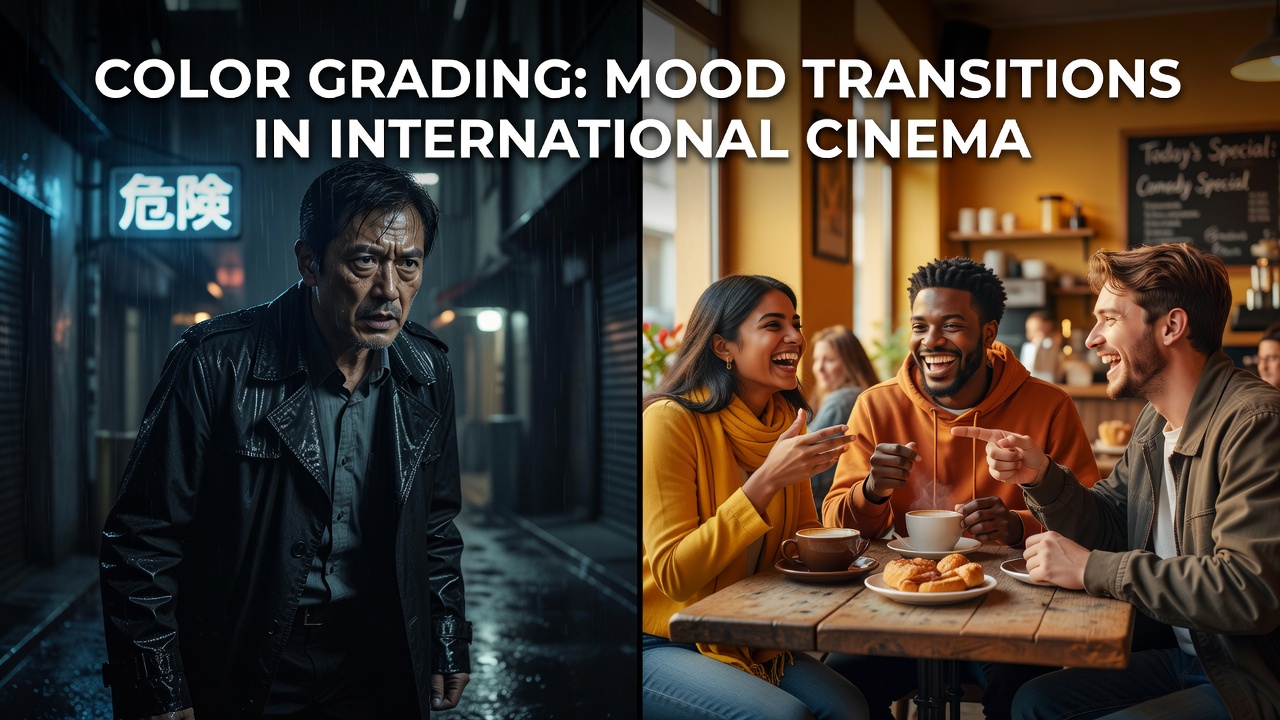
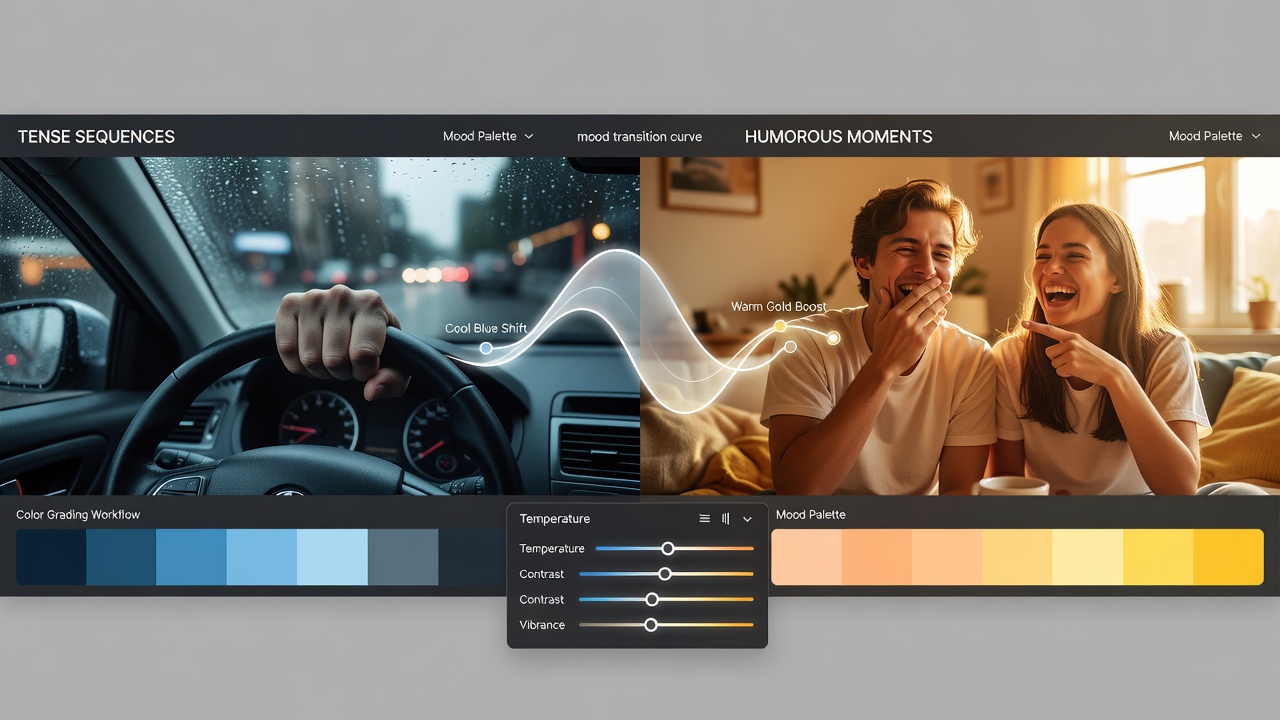
Colorists start by establishing cool, desaturated palettes with dominant blues and greens during suspenseful passages, then introduce warmer oranges and yellows within two to three seconds of a comedic beat to signal the transition. This method appears consistently across Asian, European, and Latin American catalogs, where primary and secondary grading layers allow separate control over skin tones and backgrounds. Researchers at the University of Melbourne documented how these adjustments maintain continuity while altering perceived emotional weight, noting that luminance drops of 15 to 20 percent in tense sections followed by quick recovery create measurable viewer response changes.
Regional Production Variations and June 2026 Trends
European studios often layer teal-orange contrasts in action-comedy hybrids, whereas East Asian productions favor cooler cyan shifts before moving into soft amber highlights for relief scenes. Latin American directors combine high-contrast shadows with selective saturation boosts on key props during punchlines. Industry reports indicate that titles slated for June 2026, including several co-productions between France, South Korea, and Brazil, will extend these practices with HDR-specific grading passes that preserve highlight detail during rapid mood flips. Observers note that such techniques reduce the need for additional score or sound design cues because the visual signal alone registers the change.
Impact on Viewer Engagement Patterns
Studies conducted by the Australian Centre for the Moving Image tracked eye-movement data across 1,200 participants and found that palette transitions completed in under four frames produced faster recognition of humor following tension than slower dissolves. The same dataset revealed that audiences retained plot details more accurately when color shifts aligned with dialogue beats rather than random cuts. These findings align with metadata analysis from streaming platforms showing higher rewatch rates for sequences featuring coordinated grading changes.
Integration With Editing Rhythm and Lighting Design
Editors and colorists coordinate so that shot length and color temperature move in tandem, while lighting setups prepared on set anticipate the final grade by incorporating practical sources that can later receive targeted warmth boosts. In one documented workflow from a 2025 Spanish-Mexican co-production, gaffers placed practical lamps with variable color temperature bulbs that allowed on-set tweaks before digital refinement. This approach minimizes post-production time and preserves the director's intended contrast between sequences. Those who have reviewed festival submissions observe that films employing this integrated method receive fewer notes on pacing during test screenings.
Tools and Software Standards in Current Use
DaVinci Resolve remains the dominant platform for these adjustments because its node-based system permits parallel grading streams for different emotional registers within the same timeline. Adobe Premiere users apply similar results through adjustment layers and LUT libraries calibrated for specific regional looks. Hardware monitors calibrated to DCI-P3 standards help ensure that the intended mood shift survives delivery across theatrical, streaming, and broadcast formats. Figures released by equipment manufacturers show increased adoption of HDR grading monitors in smaller post houses since 2024, enabling finer control over mid-tone separation during transitions.
Conclusion
Color grading techniques that link tense sequences to humorous moments continue to evolve alongside delivery standards and audience measurement tools. International productions scheduled through June 2026 demonstrate refined application of temperature shifts, saturation recovery, and luminance modulation that operate within established editing rhythms. Data from multiple research institutions confirm measurable effects on engagement and retention when these visual cues align with narrative beats, indicating sustained industry investment in the practice across regions.