Cultural Adaptation Strategies in Translating Horror Tropes for Global Audiences in Digital Formats
Sam Lange · Jun 28, 2026
Cultural Adaptation Strategies in Translating Horror Tropes for Global Audiences in Digital Formats
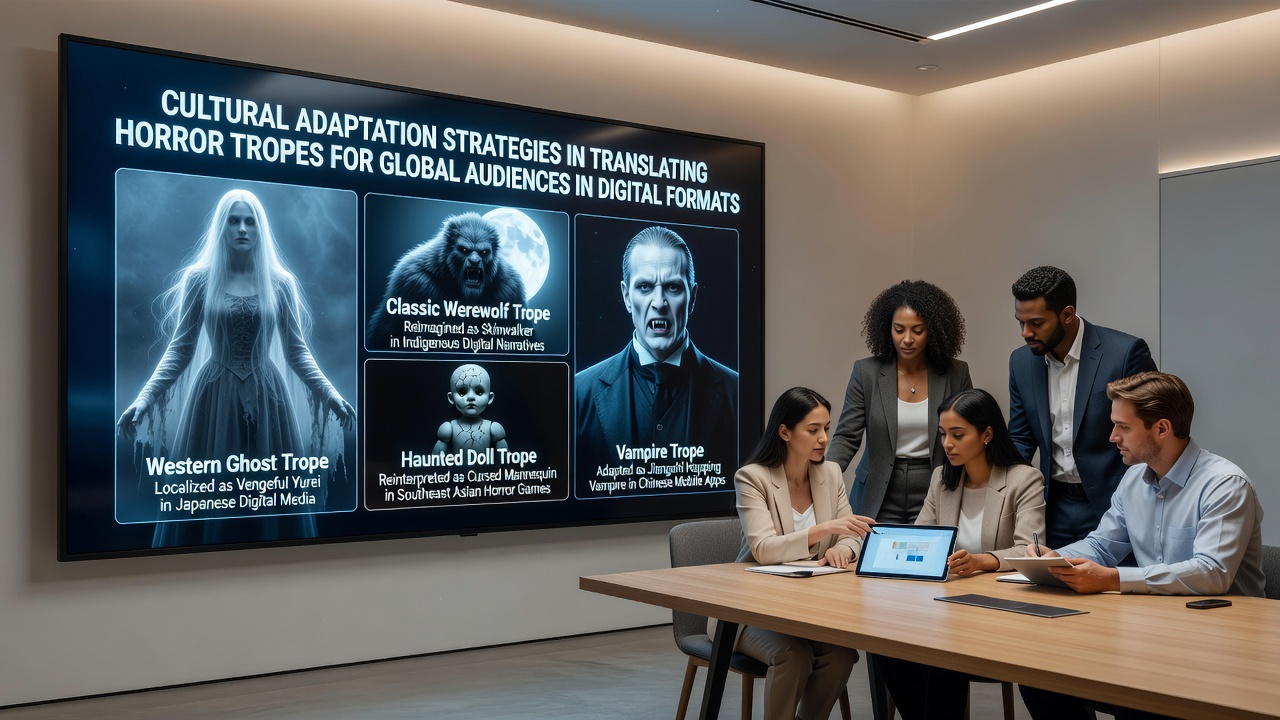
Digital platforms have expanded the reach of horror content, which requires careful handling of cultural elements to connect with viewers from varied backgrounds. Researchers at institutions like the University of Tokyo have documented how specific tropes such as vengeful spirits or cursed objects undergo modifications when moving between Asian and Western markets. These adjustments often involve changes in visual symbolism, narrative pacing, and auditory cues to align with local expectations while preserving core tension.
Core Elements of Horror Tropes and Their Cultural Variations
Horror relies on shared fears yet manifests differently across societies, with data from industry reports indicating that ghost stories in East Asian productions frequently center on water-related imagery and ancestral obligations, whereas European traditions emphasize isolated settings and moral transgressions. Translators and adapters examine these foundations to determine which aspects translate directly and which demand reinterpretation for digital delivery systems. Studies from Canadian research centers show that direct transfers of certain motifs lead to lower engagement rates in new regions, prompting the use of hybrid approaches that blend original details with familiar references.
Technical Approaches in Digital Localization
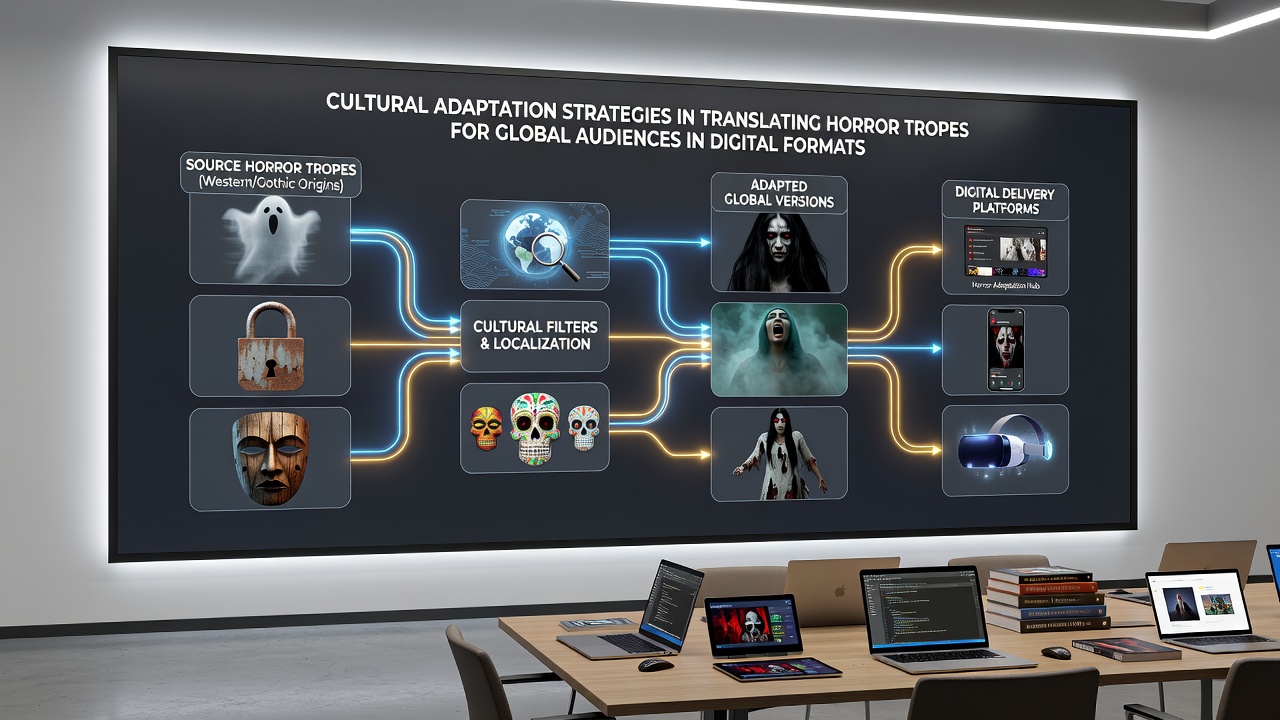
Streaming services employ subtitle customization, dubbed audio tracks, and interactive elements to bridge cultural gaps, while algorithms analyze viewer retention patterns to refine these choices over time. Color grading adjustments appear in many international releases to shift mood indicators that resonate differently by audience, and frame rate modifications help maintain suspense rhythms when content crosses bandwidth variations in global networks. One case involved a Japanese horror series adapted for Latin American viewers, where production teams altered lighting schemes and added contextual overlays without altering the central plot structure.
Platform-Specific Strategies and Audience Data
Digital formats allow for region-locked versions that incorporate local folklore references, and evidence from academic analyses reveals that such targeted edits increase completion rates compared to unadapted originals. In June 2026, several platforms introduced AI-assisted tools that suggest trope replacements based on aggregated cultural preference datasets, drawing from sources across multiple continents. These systems flag elements like specific monster designs or ritual sequences that might confuse or alienate viewers, then propose alternatives grounded in equivalent traditions from the target culture. Observers note that European regulatory bodies have begun tracking these adaptations to ensure they maintain narrative integrity across borders.
Challenges in Maintaining Narrative Coherence
Balancing authenticity with accessibility creates ongoing tensions, since over-localization can dilute the unsettling qualities that define the genre. Reports from Australian film research groups highlight instances where excessive cultural substitutions reduced the atmospheric impact, leading to revised guidelines that prioritize minimal yet effective changes. Sound design presents another layer, as certain ambient noises carry distinct meanings in different societies, requiring engineers to recalibrate effects for each market while preserving the original intent. Digital compression further complicates these efforts when lower resolution formats strip away subtle visual cues that support adapted tropes.
Examples from Recent International Releases
Take the adaptation of a Southeast Asian haunted house narrative for North American streaming audiences, where creators replaced traditional spirit hierarchies with more universal family conflict themes yet retained distinctive architectural motifs that carried over cultural weight. Similar patterns emerged in European productions entering Asian digital libraries, where isolated rural settings were reframed through added historical context to evoke comparable unease. Industry figures indicate that these blended strategies have contributed to broader viewership metrics without compromising the tension central to horror storytelling.
Future Directions in Cross-Cultural Horror Delivery
Emerging technologies continue to influence how tropes evolve, with virtual reality formats introducing new variables for spatial horror elements that depend heavily on cultural perceptions of space and confinement. Research partnerships between universities in multiple regions are examining how real-time adaptation engines might respond to individual viewer profiles while adhering to content standards set by various national bodies. These developments build on existing practices in subtitle timing and metadata tagging that already guide discovery of culturally adjusted horror titles in expansive digital catalogs.
Conclusion
Strategies for translating horror tropes across cultures in digital spaces rely on systematic analysis of audience data, technical refinements, and selective narrative adjustments, as demonstrated by ongoing work from international research institutions and platform operators. These methods enable wider distribution while addressing the specific expectations that shape viewer responses in different regions.