Decoding Synchronization Mismatches Between Dubbed Tracks and On-Screen Cues Across Mixed-Genre International Episodic Drops in High-Resolution Digital Archives
Ines Zimmermann · Aug 6, 2026
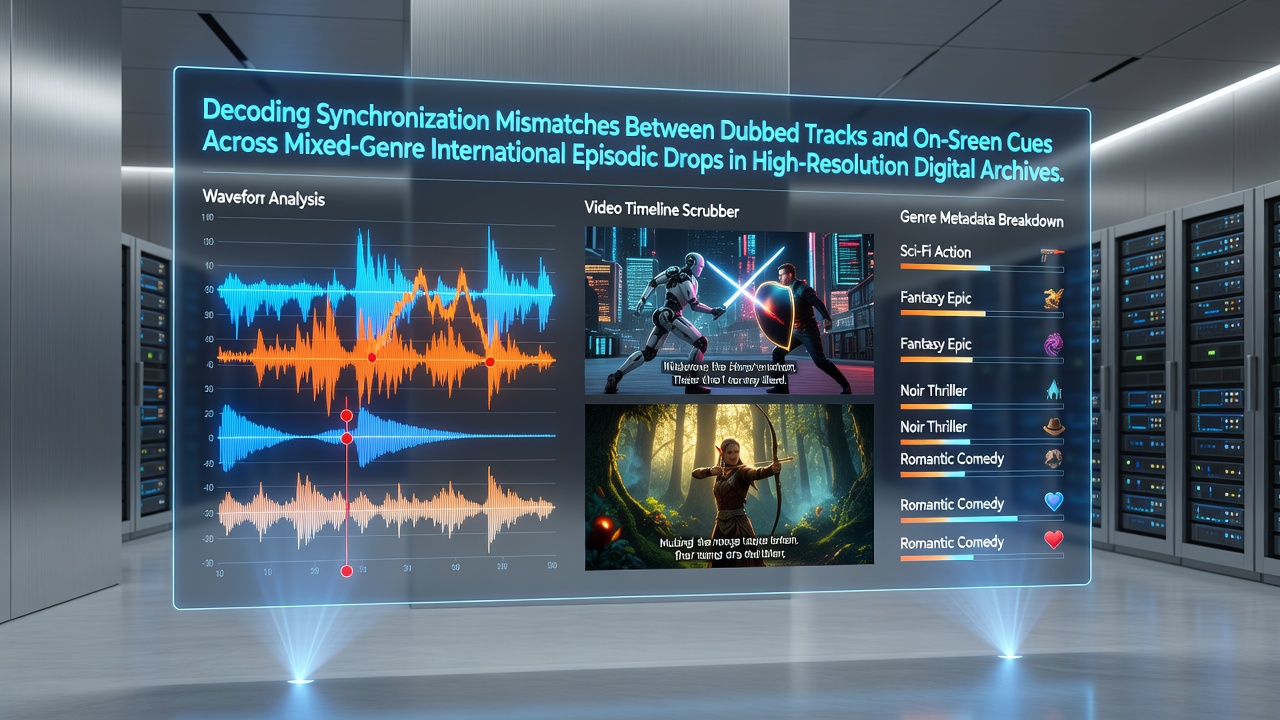
Decoding Synchronization Mismatches Between Dubbed Tracks and On-Screen Cues Across Mixed-Genre International Episodic Drops in High-Resolution Digital Archives
International episodic content in high-resolution archives frequently encounters synchronization mismatches between dubbed audio tracks and on-screen visual cues, a technical challenge that stems from differences in production pipelines across regions. These discrepancies arise when audio dubs, recorded separately from the original performances, fail to align precisely with lip movements, gestures, or environmental sounds in the source footage. Data from digital preservation projects indicate that frame rate conversions between 24fps film standards and 25fps or 30fps broadcast formats contribute significantly to these offsets, particularly in mixed-genre series that blend dialogue-heavy scenes with rapid action sequences.
Technical Causes Behind the Mismatches
Production teams handle dubbing through automated dialogue replacement sessions or full re-recording processes, yet timing adjustments during post-production often leave residual errors when content moves into high-resolution archives. Observers note that compression algorithms applied during encoding for digital distribution can shift audio packets relative to video frames, creating perceptible delays that vary by genre. In suspense-driven episodes, for instance, a slight offset in a door slam or footstep disrupts tension buildup, whereas comedic timing relies on precise punchline delivery that loses impact under similar conditions.
Researchers examining archive metadata from 2025 releases have identified language-specific phonetic variations as another factor, since certain consonant clusters in source languages require extended articulation that does not map cleanly onto target-language phonemes. As of August 2026, several major archives reported implementing automated sync detection tools based on machine learning models trained on thousands of hours of mixed-genre material, yet these systems still require manual review for edge cases involving overlapping dialogue and sound design layers.
Genre-Specific Impacts in Episodic Releases
Mixed-genre drops amplify the visibility of these issues because narrative shifts within single episodes demand different sync tolerances. Action sequences tolerate minor offsets better than close-up dramatic exchanges, according to analysis from the European Broadcasting Union technical reports. Horror elements that depend on sudden audio cues suffer when dubbed tracks lag behind visual reveals, while serialized story arcs suffer cumulative viewer disengagement if mismatches recur across multiple installments.
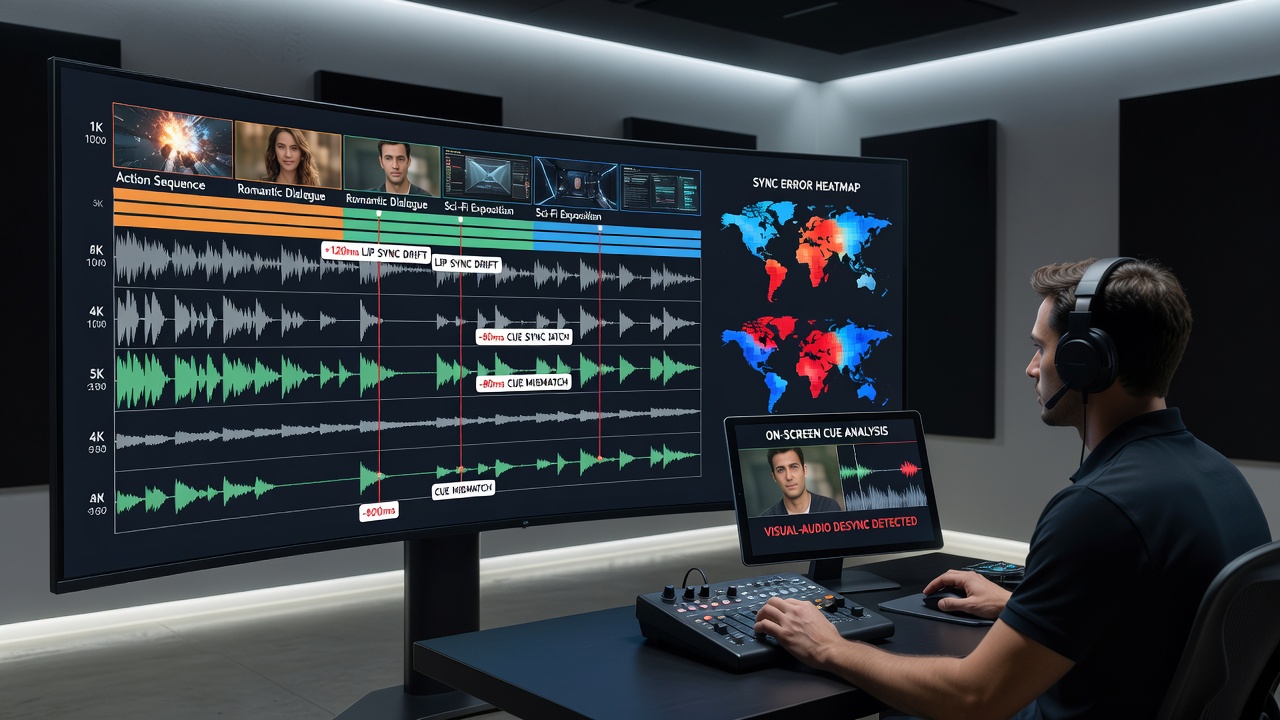
High-resolution formats such as 4K and 8K exacerbate detection of these problems because increased pixel density makes lip movements more legible, turning subtle offsets into noticeable artifacts. Archivists working with international catalogs have documented cases where regional licensing versions carry distinct dub tracks, each with unique sync profiles that must be preserved separately to maintain fidelity for future remastering efforts.
Archive Management and Detection Methods
Digital archive operators employ waveform analysis combined with facial landmark tracking to flag potential mismatches before content reaches end users. Studies conducted by the Society of Motion Picture and Television Engineers highlight how variable bitrate streaming further complicates matters, since adaptive delivery can introduce additional timing jitter not present in the master files. Those managing mixed-genre libraries note that comedy and drama crossovers present particular difficulties because emotional beats and physical comedy require simultaneous visual-audio precision that automated tools sometimes overlook.
International standards bodies continue refining protocols for audio-video alignment in dubbed content, with recent guidelines emphasizing metadata tags that record original sync offsets for each language track. This approach allows downstream platforms to apply corrective delays during playback without altering the preserved archive files. Evidence from Canadian research institutions shows that proactive application of these tags reduces reported viewer complaints by measurable margins across episodic series originating from multiple production territories.
Conclusion
High-resolution digital archives handling international episodic material must address synchronization mismatches through layered technical and procedural measures. Continued refinement of detection algorithms alongside standardized metadata practices supports consistent presentation across genres and regions, ensuring that dubbed tracks maintain alignment with on-screen cues in future releases.