Dubbing Localization Choices Reshaping Genre Crossover Appeal in Worldwide Digital Narrative Archives
Ines Zimmermann · Aug 20, 2026
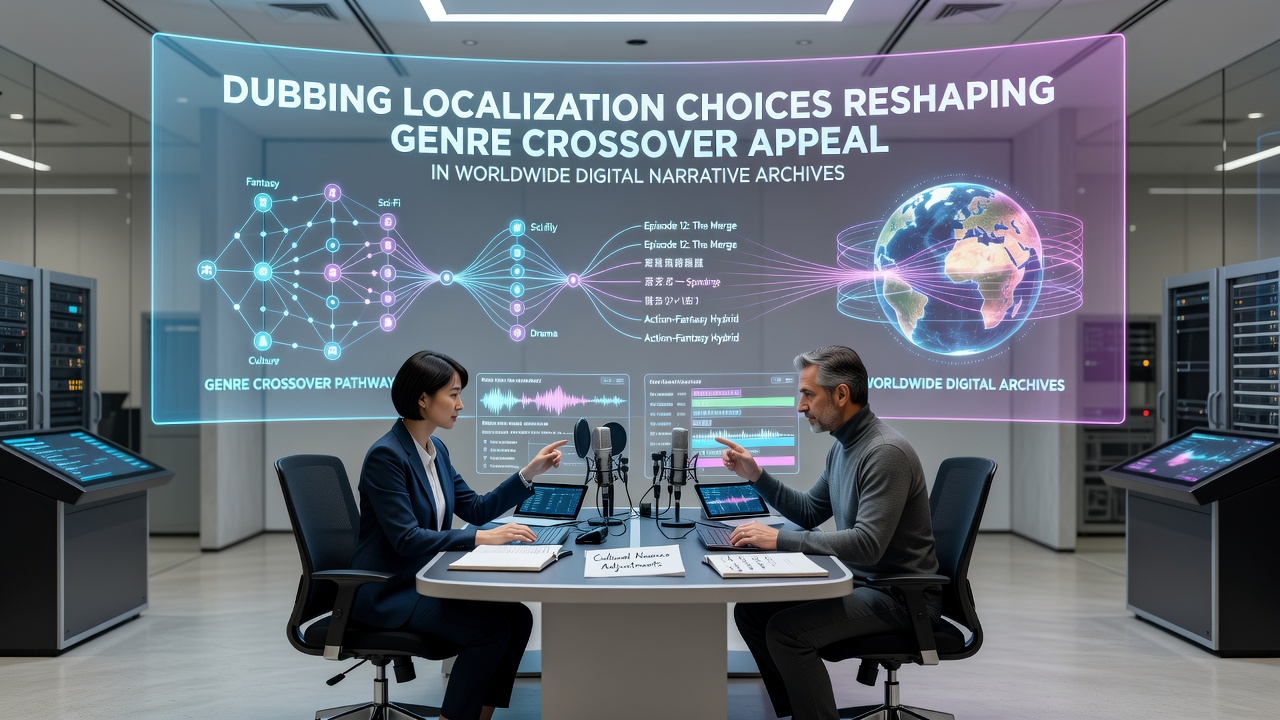
Dubbing Localization Choices Reshaping Genre Crossover Appeal in Worldwide Digital Narrative Archives
Digital narrative archives have expanded rapidly since the early 2020s, and dubbing localization choices now play a central role in determining which genre combinations reach viewers in different territories. Choices regarding voice casting, script adaptation, and cultural reference handling affect how audiences encounter blended narratives such as science-fiction dramas with comedic elements or historical thrillers incorporating mystery subplots. Data from industry tracking services indicate that these decisions alter visibility patterns within ad-supported and subscription-based libraries alike.
Core Elements of Dubbing Localization
Localization teams select voice performers whose tonal qualities align with original character intentions while meeting regional expectations, and they adjust dialogue timing to preserve lip-sync accuracy across languages. Script translators decide whether to retain idiomatic expressions from source material or replace them with equivalents familiar to target markets, and this process influences emotional resonance when genres shift from one cultural context to another. Research compiled by the European Audiovisual Observatory shows that such adjustments correlate with higher retention rates for cross-genre titles in libraries serving multiple language communities.
Technical parameters also matter because frame-rate conversions and audio mixing standards vary by region, which means localization houses must recalibrate sound design elements to maintain tension or humor beats. Observers note that these recalibrations become especially relevant when archives host serialized content that mixes suspense with lighter interludes, since pacing mismatches can reduce crossover appeal among viewers who sample unfamiliar genre pairings.
Genre Blending Patterns in Worldwide Archives
Genre crossover appeal emerges when archives tag content under multiple categories and then surface it through recommendation engines that respond to localized metadata. Studies from institutions such as the University of Melbourne's Media and Communications Research Centre reveal that dubbing choices affect how algorithms classify hybrid stories, because translated keywords adn thematic descriptors change the probability that a title appears in both action and comedy sections simultaneously. In August 2026, several major platforms updated their tagging protocols to incorporate language-specific genre labels, which has produced measurable shifts in discovery rates for titles that blend speculative fiction with romantic subplots.
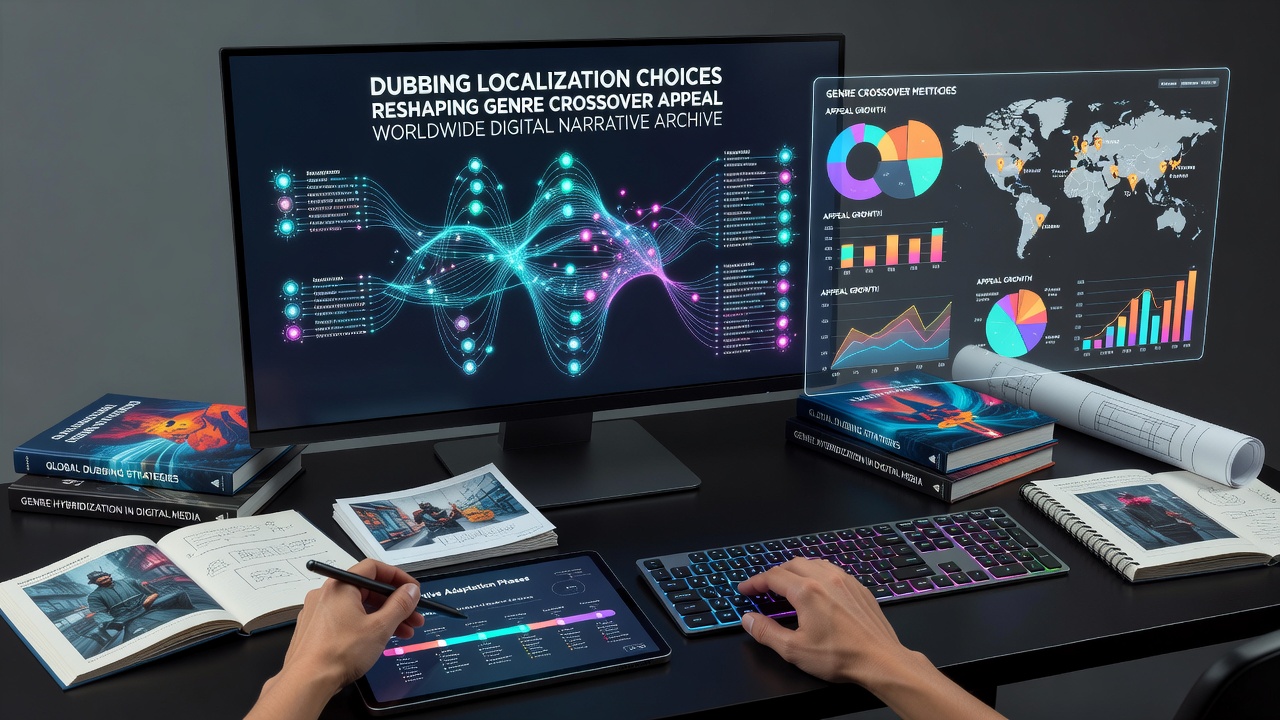
Regional licensing agreements further shape outcomes because rights holders specify which dubbed versions may be offered in each territory, and these restrictions determine whether a single narrative can travel between genre clusters. Figures from Canadian Heritage Department reports demonstrate that territories with flexible dubbing policies host larger volumes of cross-listed content compared with markets that enforce stricter linguistic preservation rules. Viewers therefore encounter different genre combinations depending on the archive's geographic focus and the localization pipeline chosen by content owners.
Effects on Audience Navigation and Discovery
Navigation tools within digital archives rely on metadata that reflects dubbing decisions, so users searching for mystery content may receive suggestions that include dramatic comedies when localized titles carry overlapping descriptors. Analysts at the Australian Communications and Media Authority have documented that such overlaps increase when dubbing teams emphasize universal emotional beats over culturally specific references. This pattern holds across both episodic series and feature-length releases stored in high-resolution formats.
Metadata tagging systems continue to evolve, and recent updates in 2026 have introduced fields for localization method alongside traditional genre markers. Those fields allow platforms to surface versions that have undergone adaptive dubbing versus literal translations, which in turn influences how frequently mixed-genre narratives appear in curated collections. Evidence from academic analyses indicates that adaptive approaches tend to broaden appeal across demographic groups that sample unfamiliar genre combinations through these enhanced discovery paths.
Conclusion
Dubbing localization choices continue to determine the visibility and reception of genre-blended narratives inside worldwide digital narrative archives. Technical adaptations, script decisions, and regional rights frameworks interact to shape which combinations reach audiences, while updated metadata protocols and algorithmic classifications amplify or limit those effects. Data gathered through 2026 confirm that these processes remain central to how global viewers navigate expanding libraries of serialized and feature content.