How Frame Interpolation Methods Reshape Action Sequences in Contemporary Digital Film Libraries
Yves Powell · Aug 20, 2026
How Frame Interpolation Methods Reshape Action Sequences in Contemporary Digital Film Libraries
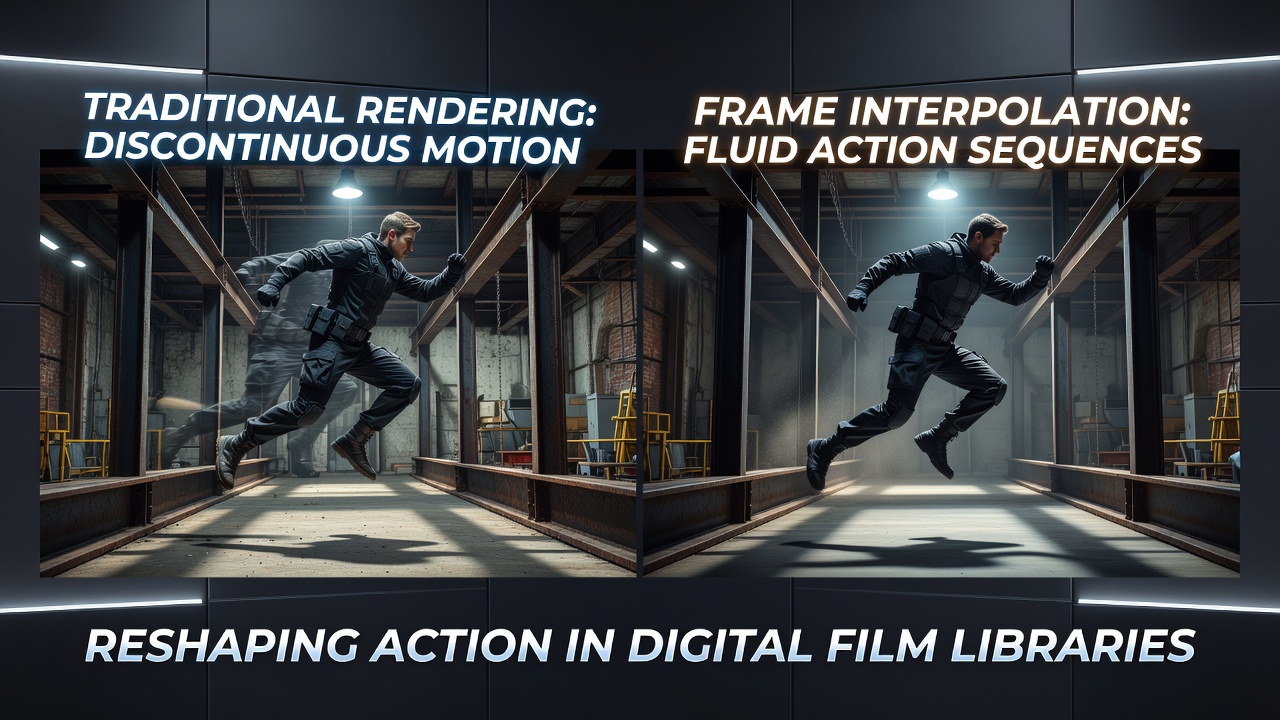
Frame interpolation applies algorithms that generate intermediate frames between existing ones, and this process alters the visual flow of action sequences stored in digital film libraries across multiple platforms. Researchers at institutions such as the European Broadcasting Union have documented how these techniques increase effective frame rates from 24 frames per second to 48 or 60 frames per second, which reduces motion blur during rapid movements like chases or combat scenes. Data from library archives shows that titles released before 2020 often receive retroactive processing when migrated to newer formats, and this adjustment creates smoother trajectories for objects in motion without altering the original narrative timing. Several core methods drive these changes in contemporary collections. Optical flow analysis calculates pixel movement between frames, whereas newer AI-driven approaches such as those based on convolutional neural networks predict and synthesize missing frames with greater accuracy. Studies indicate that hybrid systems combining both techniques achieve lower artifact rates in high-speed sequences, and archives report fewer viewer complaints about judder after implementation. In August 2026 several major digital repositories plan updates that incorporate real-time interpolation engines, allowing users to toggle between original and enhanced versions during playback of action-heavy international releases.Technical Mechanisms Behind the Reshaping Process
Action sequences benefit particularly because fast camera pans and object trajectories become continuous rather than staggered, yet the underlying shot composition remains unchanged. According to findings published through the Australian Centre for the Moving Image, interpolated frames fill temporal gaps while preserving edge sharpness, which prevents the softening that occurs in traditional upscaling alone. Digital libraries apply these methods during ingestion workflows, and metadata tags now record the interpolation parameters used for each title so that future restorations can reference the original capture rate.
Observers note that libraries must balance computational cost against quality gains, since processing an entire catalog demands significant server resources. Case examples include collections where fight choreography in martial arts films appears more fluid after interpolation, allowing viewers to track limb positions across successive frames without the original 24 fps stutter. Research indicates that such enhancements also affect sound synchronization in some instances, requiring separate audio alignment steps during the pipeline.Effects on Viewer Perception and Library Management
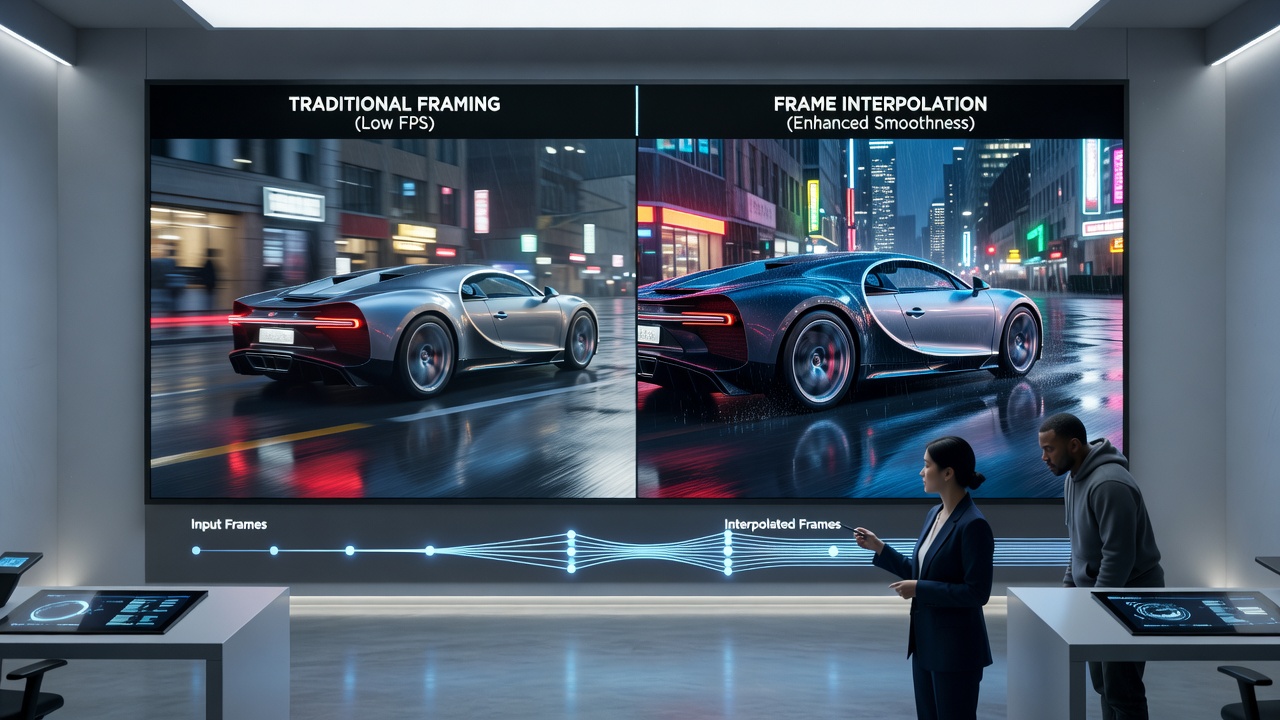
Digital film libraries catalog these modified sequences under updated technical specifications, and curators track engagement metrics that correlate higher frame-rate versions with longer average watch times in action genres. Figures from regional archives reveal that titles featuring vehicle pursuits or acrobatic stunts receive the most frequent interpolation upgrades because the added frames clarify spatial relationships that were previously compressed by lower frame rates. Those managing expansive collections implement quality-control checkpoints to verify that generated frames do not introduce visual inconsistencies such as ghosting around moving edges.
Regional licensing variations sometimes determine whether interpolated versions appear in specific territories, since rights holders may stipulate preservation of the source frame rate. Technical staff therefore maintain dual masters for many entries, and automated systems flag sequences where interpolation artifacts exceed acceptable thresholds. Data collected across multiple platforms demonstrates that action sequences processed with modern methods exhibit measurable increases in perceived clarity when measured through standardized motion tests.
Integration Challenges Within Existing Archives
Archivists face decisions about whether to overwrite legacy files or store interpolated versions as separate assets, and this choice influences long-term storage requirements. Evidence from ongoing digitization projects shows that libraries adopting selective interpolation for action segments only achieve cost savings compared with blanket application across all content. Processing pipelines now include automated detection of high-motion scenes so that resources focus on sequences where the reshaping effect delivers the clearest benefit to viewers.
Standards organizations continue to refine guidelines for acceptable interpolation parameters, and compliance ensures compatibility across playback devices used in home entertainment setups. Those overseeing digital film libraries report that updated catalogs featuring enhanced action sequences attract renewed interest from researchers studying visual storytelling techniques across decades of cinema.
Conclusion
Frame interpolation continues to evolve as a tool for reshaping action sequences in contemporary digital film libraries, with ongoing refinements driven by both algorithmic advances and archival priorities. Libraries that apply these methods systematically document improvements in motion continuity while preserving the integrity of original productions. As processing capabilities expand in 2026 and beyond, the integration of interpolated content into broader catalogs will depend on balanced technical, legal, and preservation considerations that maintain access to both source and enhanced versions for diverse audiences.