Streaming vs. Cable: The Ongoing Shift in Home Entertainment Choices
Ines Zimmermann · Apr 26, 2026
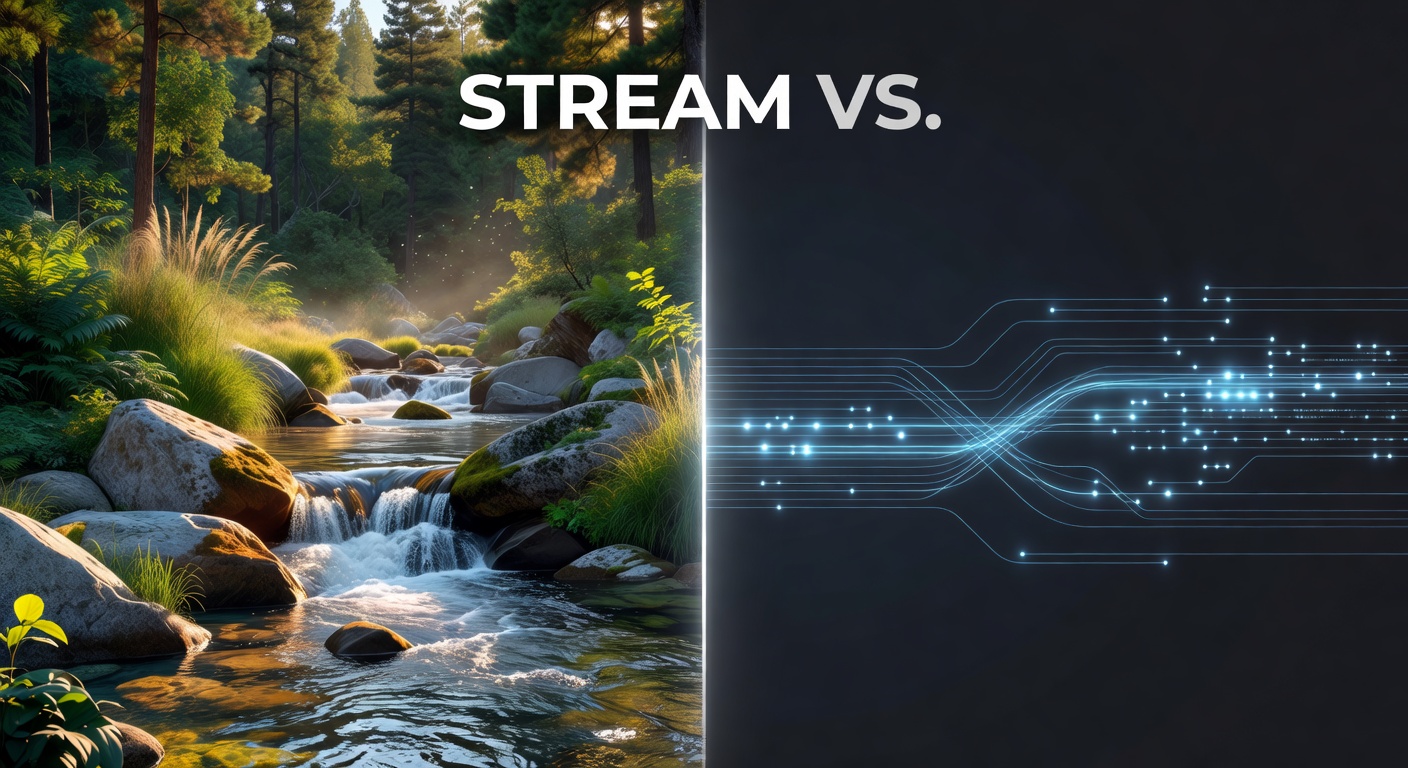
Streaming vs. Cable: The Ongoing Shift in Home Entertainment Choices
The Rise of Streaming and Decline of Cable Subscriptions
Households across North America and Europe have increasingly turned to streaming services over the past decade, while cable TV providers report steady subscriber losses; data from the FCC's 2025 Video Competition Report reveals that U.S. cable and satellite providers shed more than 5 million subscribers in 2024 alone, a trend accelerating into 2026 as streaming platforms capture larger shares of viewing time.
What's interesting is how this shift mirrors broader changes in consumer behavior, where flexibility trumps bundled packages; researchers at Nielsen note that streaming accounted for 44.8% of total TV usage in the U.S. during early 2026, up from 38% the previous year, whereas traditional cable's share dipped below 30% for the first time.
And yet, cable hasn't vanished entirely, since many rural areas still rely on it due to inconsistent broadband availability; figures from Canada's CRTC Broadcasting Monitoring Report show that while urban viewers flock to apps like Netflix and Disney+, cable retains about 40% penetration in remote regions as of April 2026.
Cost Comparisons: Subscriptions, Hidden Fees, and Bundles
Streaming services often present lower entry barriers compared to cable, with basic plans starting at $6.99 per month for ad-supported tiers on platforms like Netflix or Hulu, but the reality involves juggling multiple subscriptions that can total $50-80 monthly for comprehensive access; cable packages, by contrast, average $100-150 per month including equipment rentals and fees, according to Leichtman Research Group surveys conducted in Q1 2026.
But here's the thing: savvy households mix and match, subscribing to two or three streamers while dropping cable entirely, which saves an average of $600 annually per the same studies; experts observe that promotional cable deals lure back some users temporarily, yet retention rates hover around 70% as streaming's no-contract model wins out.
Take one family profiled in a Pew Research Center analysis—they canceled cable in 2025, opting for a rotating roster of streaming apps, and reported cutting costs by 45% without sacrificing favorite shows, although they noted occasional price hikes from streamers as a downside.
Content Libraries: Breadth, Exclusives, and Gaps
Streaming platforms boast vast on-demand libraries exceeding 10,000 titles each on services like Amazon Prime Video and Max, with algorithms personalizing recommendations based on viewing history; cable, while offering live channels and DVR, limits access to scheduled broadcasts, resulting in fragmented experiences for binge-watchers.
Turns out, original content drives loyalty—Netflix alone premiered over 200 new series and films in 2025, per company disclosures, drawing viewers who prioritize fresh exclusives over cable's rerun-heavy lineups; that said, sports fans stick with cable for unbundled live events like NFL games, where streaming blackouts persist in key markets.
Observers note regional variations too; in Europe, platforms like Disney+ expand with local dubs and originals, boosting adoption rates to 65% among under-35s according to EU digital reports, while cable clings to news and local channels that streamers haven't fully replicated.
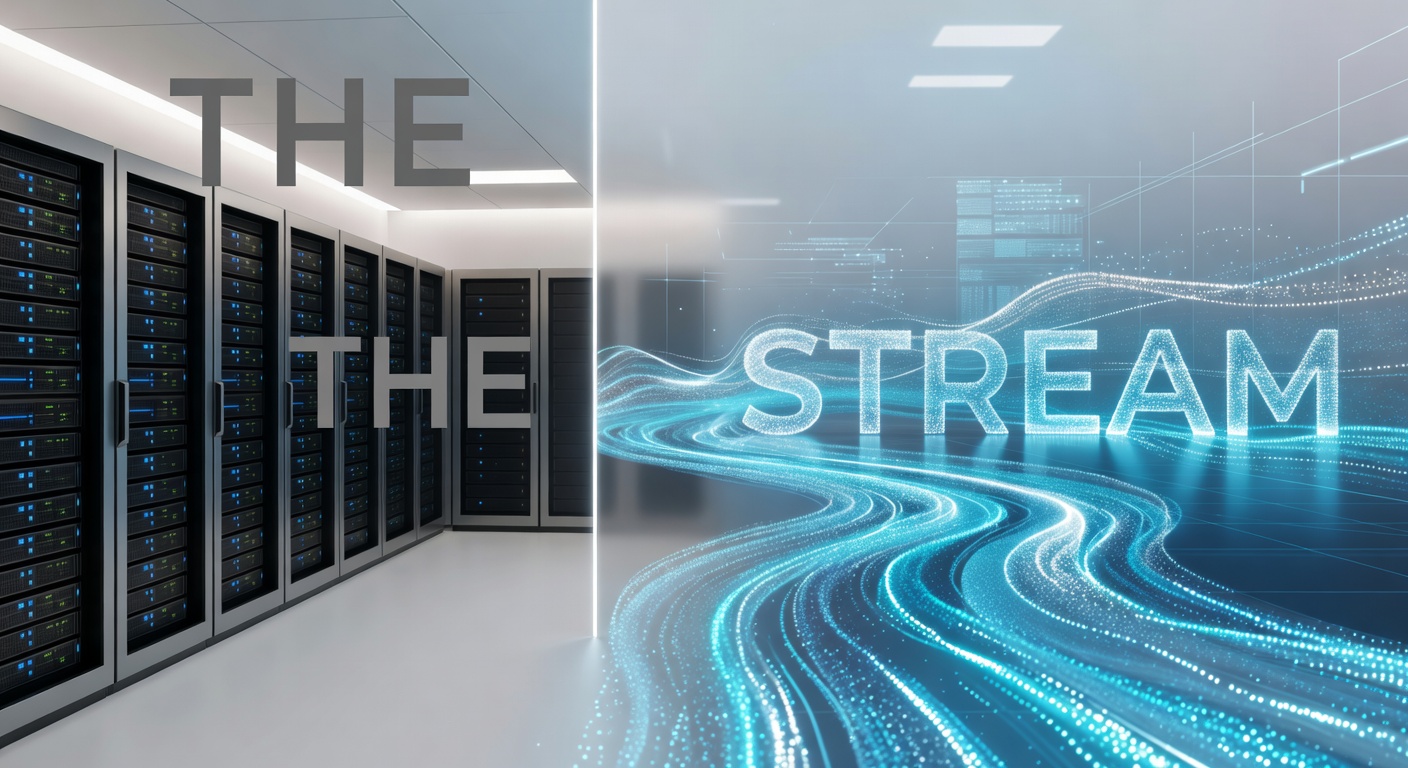
User Experience: Interfaces, Reliability, and Multi-Device Access
Modern streaming apps deliver seamless navigation across phones, tablets, TVs, and laptops, supporting 4K resolution and adaptive bitrate streaming that adjusts to network speeds; cable interfaces, often clunky remotes and electronic program guides, lag behind, with 25% of users citing poor search functions as a frustration point in J.D. Power's 2026 TV satisfaction study.
So, while buffering plagues streaming during peak hours—especially on shared Wi-Fi—cable's dedicated coax lines ensure rock-solid uptime, a boon for households with spotty internet; researchers at Parks Associates found that 62% of cord-cutters praise multi-device syncing, yet 18% return to cable after experiencing outages during major events.
It's noteworthy how voice controls and AI upscaling enhance streaming, turning smart TVs into hubs that cable set-top boxes struggle to match; one study from the Interactive Advertising Bureau highlights how younger demographics, glued to mobile-first viewing, consume 70% of content on apps rather than traditional screens.
Technology Under the Hood: Bandwidth, Hardware, and Innovations
Streaming demands robust internet—FCC benchmarks recommend 25 Mbps download for HD, but 4K requires 50+ Mbps—prompting ISPs to upgrade infrastructures amid rising data caps; cable leverages hybrid fiber-coaxial networks for multicast delivery, efficiently piping multiple channels without per-user bandwidth strain.
Yet innovations like ATSC 3.0 "NextGen TV" bridge the gap, rolling out over-the-air 4K and interactive features to cable-like audiences without subscriptions, as seen in pilots across 50 U.S. markets by April 2026; meanwhile, streamers push AV1 codecs for efficient compression, reducing data use by 30% compared to older standards.
People who've tested both setups often discover that mesh Wi-Fi systems mitigate streaming glitches, making it viable even in larger homes where cable wiring proves inflexible; data indicates hybrid solutions, blending antenna signals with apps, now serve 15% of U.S. households seeking the best of both worlds.
Future Trends: Projections into Late 2026 and Beyond
As of April 2026, analysts project streaming to claim 55% of TV market share by year-end, fueled by ad-tier growth and live sports integrations on YouTube TV and Peacock; cable providers counter with skinny bundles and streaming hybrids like Hulu + Live TV, retaining 20 million U.S. subs through aggressive pricing.
What's significant is regulatory pushes—EU mandates for fair algorithm transparency shape content discovery, while Australian communications authority reports emphasize affordability caps amid inflation; globally, 5G rollout enables mobile streaming dominance, eroding cable's edge in portability.
And in bundled ecosystems, telecoms like Verizon offer streaming perks with fiber plans, blurring lines further; eMarketer forecasts that by 2027, 80 million U.S. homes will be fully cord-free, although economic pressures might revive cable for budget-conscious seniors.
Conclusion
The contest between streaming and cable boils down to evolving priorities—convenience and choice versus reliability and live staples— with data showing a clear tilt toward digital platforms as infrastructures mature; households weigh factors like location, content needs, and budgets, often landing on hybrids that capture strengths from each.
Researchers predict continued fragmentation, yet convergence through tech like cloud DVRs and IP delivery promises smoother paths ahead; for now, as April 2026 metrics confirm, the streaming wave reshapes viewing habits profoundly, leaving cable to adapt or niche down.