Territorial Rights Management and Its Effects on Genre Diversity in Emerging Digital Entertainment Archives
Sam Lange · Jun 7, 2026
Territorial Rights Management and Its Effects on Genre Diversity in Emerging Digital Entertainment Archives
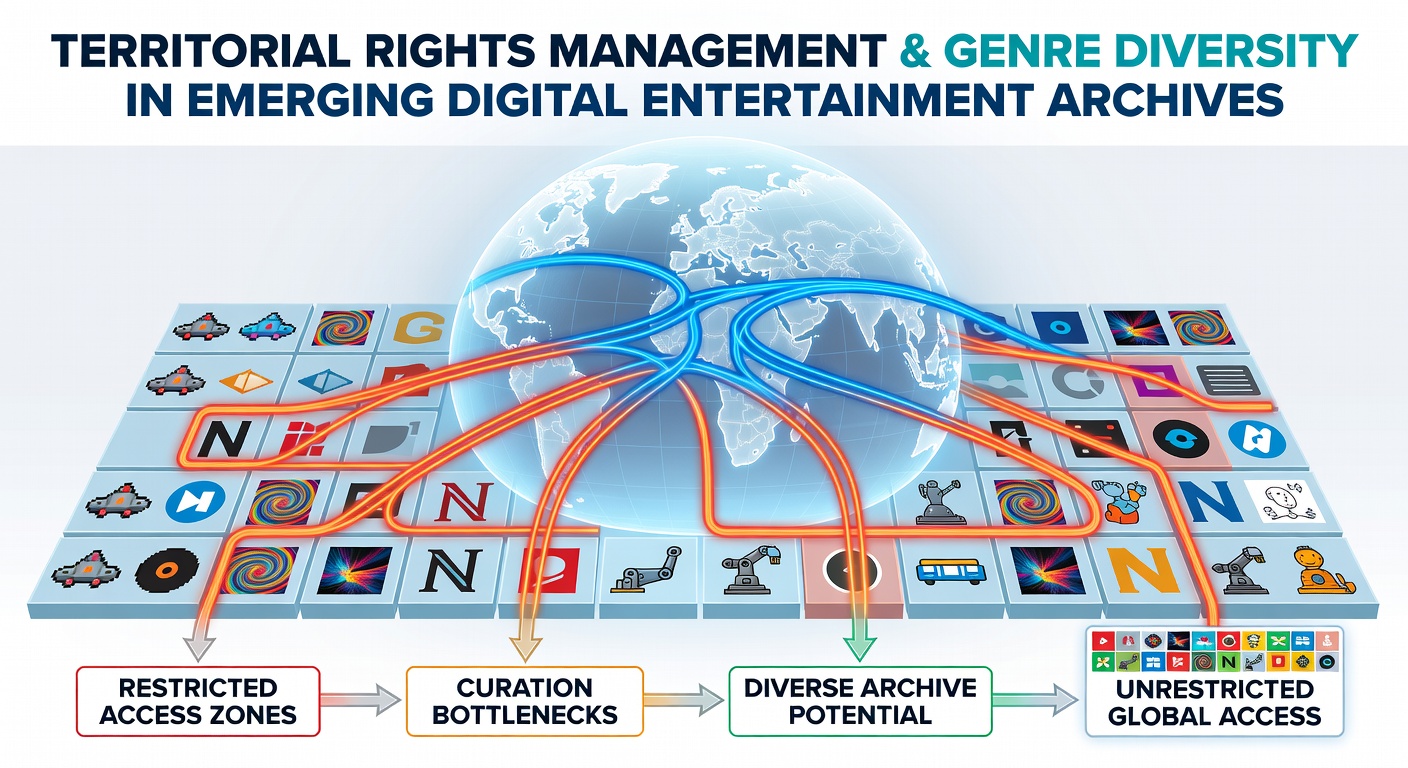
Territorial rights management governs how entertainment content gets licensed and distributed across specific geographic regions, and this framework directly influences which genres appear in digital archives worldwide. Licensing agreements often restrict access based on national boundaries, so archives in one country may contain extensive collections of certain narrative styles while neighboring regions see limited options in those same categories. Researchers track these patterns through metadata analysis of streaming platforms and on-demand libraries, noting consistent variations in availability that align with rights deals rather than audience demand alone.
Core Principles Behind Territorial Licensing
Content owners negotiate separate agreements for each territory, and these contracts specify release windows, platform permissions, and exclusivity periods that differ by country. European Union regulators have examined how such fragmentation persists despite efforts toward a digital single market, while Australian government agencies document similar patterns in their regional catalogs. Data from industry reports indicate that action-oriented titles frequently secure broader multi-territory deals compared with specialized documentary or experimental works, which often remain confined to domestic or limited regional licenses.
Genre Distribution Patterns Across Archives
Digital entertainment archives compile materials from multiple rights holders, yet territorial constraints create uneven genre representation. Observers note that horror collections expand rapidly in markets where local distributors hold strong catalog rights, whereas comedy and drama holdings show greater parity across borders due to more standardized licensing templates. A study released by the European Audiovisual Observatory in 2025 highlighted measurable gaps in science fiction availability between Northern and Southern European libraries, and these disparities continued into mid-2026 as new titles entered circulation under existing territorial frameworks.
Metadata tagging systems further reinforce these divisions because platforms apply region-specific filters that hide unlicensed material from users. Those who analyze archive growth metrics report that emerging collections launched after 2024 demonstrate slower diversification in genres tied to high-value sports or music-adjacent properties, since those rights frequently bundle with live-event deals limited by territory.
Regional Variations Documented in 2026
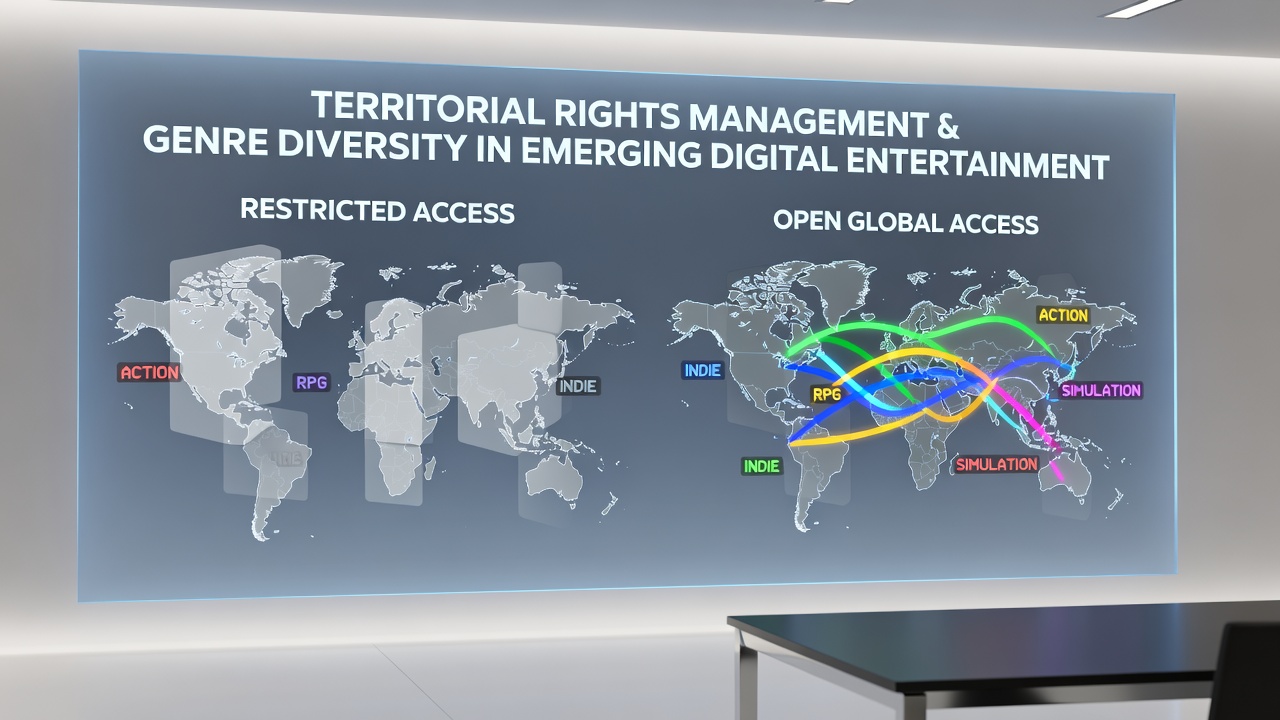
Canadian research institutions compiled usage statistics through June 2026 that reveal how archives serving bilingual markets maintain stronger bilingual genre coverage in drama categories while maintaining narrower selections in animation. Meanwhile, regulatory updates from bodies in Asia-Pacific regions have begun requiring clearer disclosure of territorial limits during archive onboarding processes, which affects how quickly new releases populate diverse genre slots. These administrative changes coincide with ongoing platform expansions that rely on automated rights verification tools, and the tools themselves operate on datasets reflecting historical licensing imbalances.
Trade organizations representing content distributors publish periodic inventories that list active territorial carve-outs, and these inventories show recurring restrictions on independent genre productions originating from smaller markets. Larger catalogs therefore accumulate broader genre mixes primarily in territories where major studios maintain direct licensing arms, while smaller archives depend on secondary deals that favor mainstream formats over niche offerings.
Effects on Archive Development Timelines
Emerging digital archives follow predictable growth trajectories shaped by the timing of rights expirations and renewals. When a territorial license concludes, platforms must either renegotiate or remove content, and this cycle disproportionately affects genres with shorter commercial windows such as limited-series adaptations. Figures from multiple government statistical agencies demonstrate that archives prioritizing rapid turnover in popular categories maintain steadier genre balance, whereas those focused on preservation accumulate deeper but narrower holdings in specific narrative traditions.
Cross-border collaborations occasionally mitigate these effects through joint licensing pools, although participation rates vary by region and genre. Data collected through 2026 indicate higher collaboration success rates for factual programming than for scripted entertainment, partly because factual works encounter fewer cultural or regulatory hurdles during territorial clearance.
Conclusion
Territorial rights management continues to define the boundaries of genre diversity within digital entertainment archives, and ongoing regulatory reviews in multiple jurisdictions track how these boundaries shift with new distribution models. Archives that operate under fragmented licensing regimes display measurable differences in the range of available material, and these differences align with documented patterns in rights acquisition rather than random variation. Continued monitoring by research bodies provides updated inventories that help clarify the scale of these influences across global collections.